Britain's Mobile Gaming Regulations Shaping Wallet Integration for Live Dealer Blackjack Sessions
Written by Hugo Lang · Nov 16, 2026
Britain's Mobile Gaming Regulations Shaping Wallet Integration for Live Dealer Blackjack Sessions
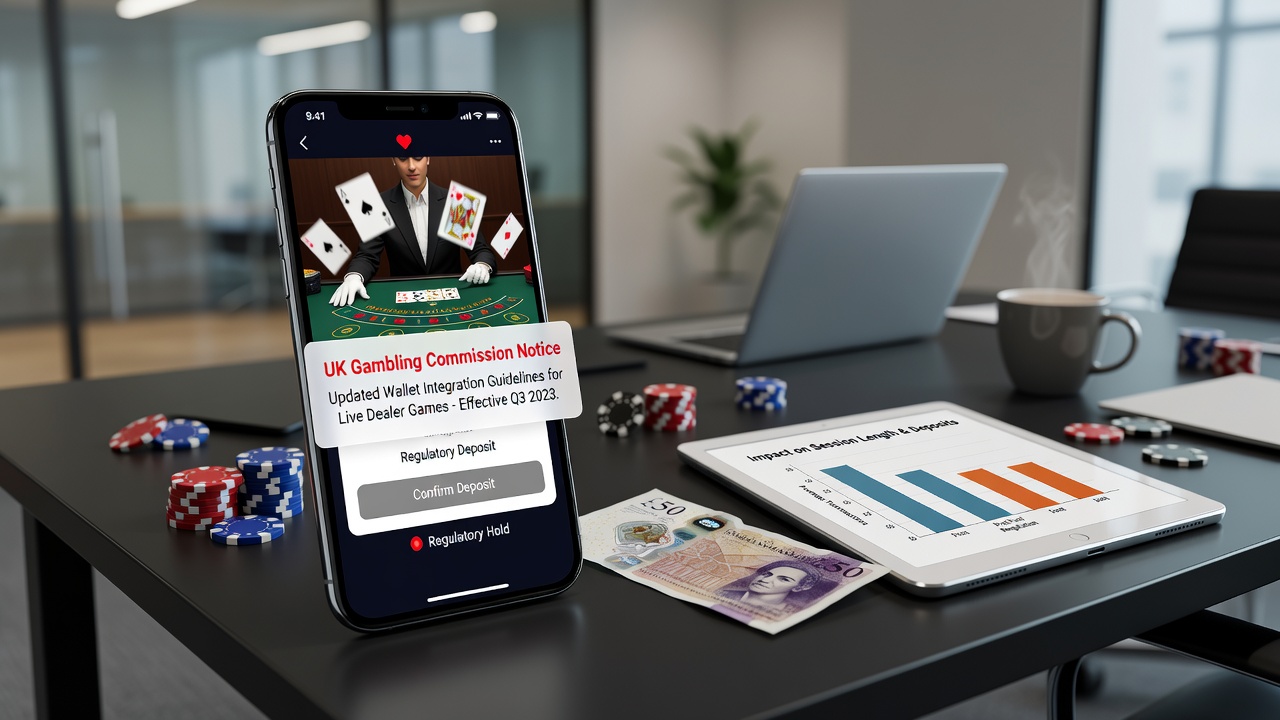
Britain's approach to mobile gaming regulation has evolved through successive policy updates that directly influence how electronic wallets connect to live dealer platforms, particularly during blackjack sessions where real-time transactions occur. Operators must comply with verification standards that require multi-factor authentication before funds transfer between player accounts and game servers, and these rules extend specifically to portable devices used for interactive table play.
Current Regulatory Landscape for Mobile Access
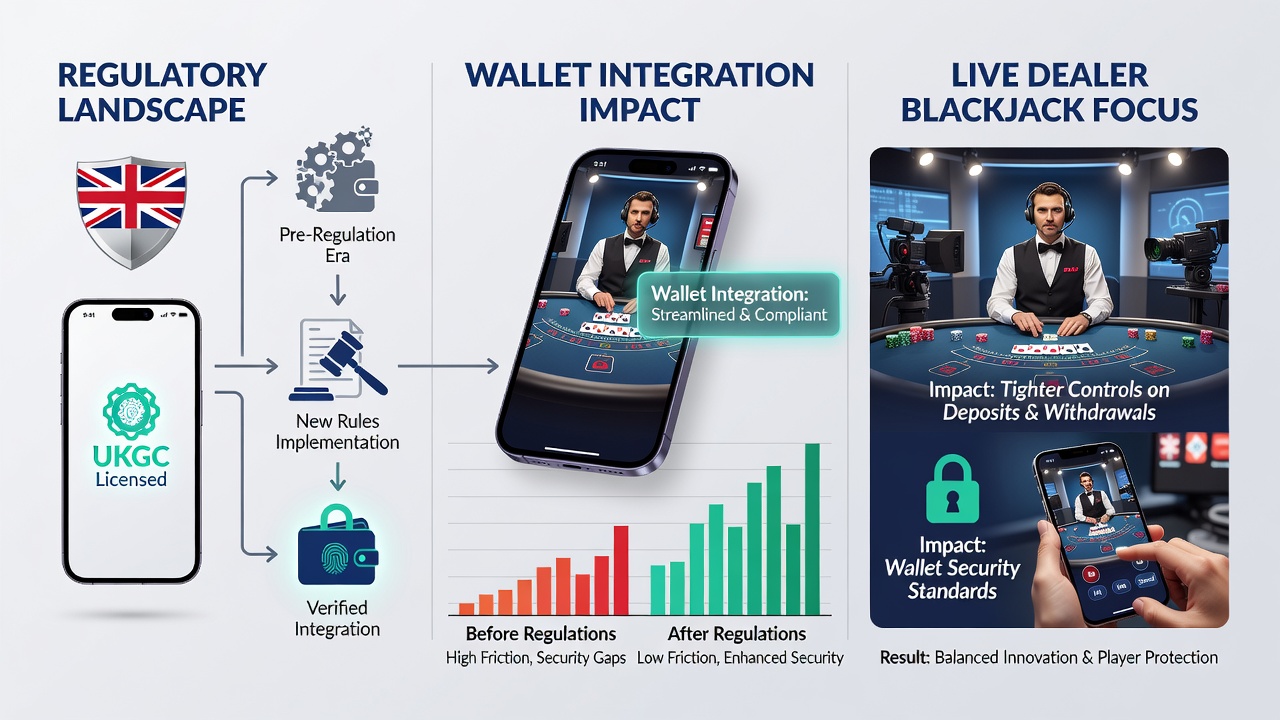
Data from industry reports shows that verification protocols tightened in early 2025, requiring wallet providers to integrate age and identity checks at the point of transaction rather than relying solely on account registration, while November 2026 introduced additional layers of encryption mandates for any mobile session involving live dealers. Observers note that these changes affect how quickly players can fund blackjack tables on smartphones because each wallet link now undergoes automated compliance screening before the dealer stream activates.
Wallet Security Standards and Live Table Requirements
Regulations specify that electronic wallets must employ tokenised payment methods when connecting to live dealer environments, and this requirement stems from broader directives on financial data protection that apply across all real-money mobile gaming. Researchers discovered through platform audits that blackjack sessions demand continuous session monitoring, which forces wallet integrations to pause or flag transfers if unusual activity patterns emerge during card dealing sequences. Those who've examined compliance documentation understand that operators face penalties for any integration that bypasses these checks, leading many providers to adopt standardised APIs that align wallet functionality with live stream security protocols.
Figures reveal that mobile blackjack participation grew steadily through 2025, yet wallet connection success rates dipped temporarily when new authentication rules rolled out because some third-party services needed time to update their systems. Experts have observed that successful integrations now depend on pre-approved wallet partners who maintain audit trails compatible with regulatory oversight, and this setup ensures funds reach game servers without exposing player details during the live interaction.
Effects on Transaction Speed and Player Experience
Live dealer blackjack on mobile platforms relies on seamless wallet handoffs to maintain game flow, but regulatory demands for real-time verification extend processing times by several seconds in many cases. According to a study published by the University of Nevada's gaming research division, platforms that streamlined wallet APIs experienced fewer interruptions during dealer sessions compared with those using legacy connections. The ball's in the operators' court when it comes to choosing compliant partners, since non-aligned wallets trigger automatic blocks until standards are met.
What's interesting is how these rules intersect with device-specific features such as biometric authentication, because British guidelines encourage but do not mandate fingerprint or facial recognition for wallet approvals during live play. Data indicates that operators incorporating such options report higher completion rates for blackjack bets funded mid-session, whereas players without compatible devices encounter extra manual steps that can disrupt the table rhythm.
Comparative Insights from Other Jurisdictions
Similar frameworks appear in Canadian provincial systems where iGaming Ontario outlines wallet verification timelines that parallel British expectations for live dealer environments, and this cross-border alignment helps multinational providers standardise their mobile offerings. A separate report from the Victorian Commission for Gambling and Liquor Regulation in Australia highlights how encryption requirements during real-time table games reduce fraud incidents, offering a benchmark that British operators reference when updating their own wallet links.
Those monitoring industry trends find that November 2026 updates emphasised audit frequency for wallet integrations tied to live blackjack, resulting in quarterly reviews that check transaction logs against session recordings. This practice ensures that any discrepancy between fund movements and game outcomes triggers immediate investigation, and it applies uniformly whether players access tables through dedicated apps or browser-based mobile interfaces.
Implementation Challenges and Operator Responses
Operators have adapted by prioritising wallet partners with built-in regulatory reporting tools, since manual compliance tracking proves inefficient for high-volume live sessions. Evidence suggests that platforms investing in automated screening see smoother onboarding for new mobile users who want quick access to blackjack tables, whereas slower integrations lead to abandoned sessions before the first hand deals. People who've tracked these developments note that the process resembles a balancing act where speed and security must coexist under regulatory pressure.
Research indicates that smaller operators sometimes partner with larger wallet ecosystems to meet standards without developing custom solutions, and this strategy allows them to maintain live dealer offerings without extensive technical overhauls. The writing's on the wall for outdated payment methods that fail encryption audits, pushing the sector toward unified standards that support both regulatory needs and player convenience during extended blackjack rounds.
Conclusion
Britain's mobile gaming regulations continue to shape wallet integration practices for live dealer blackjack by enforcing verification, encryption, and monitoring requirements that affect transaction flow and platform design. These measures, refined through 2026 updates, create structured pathways that balance financial oversight with real-time gameplay demands across portable devices. Data from multiple international sources demonstrates consistent patterns where compliant integrations support sustained participation while non-compliant options face operational restrictions.