Decoding transaction pathways that link verified wallets to accumulating prize pools during real-time dealer sessions on portable platforms in Britain's gaming environment
Written by Ben Vogel · Sep 21, 2026
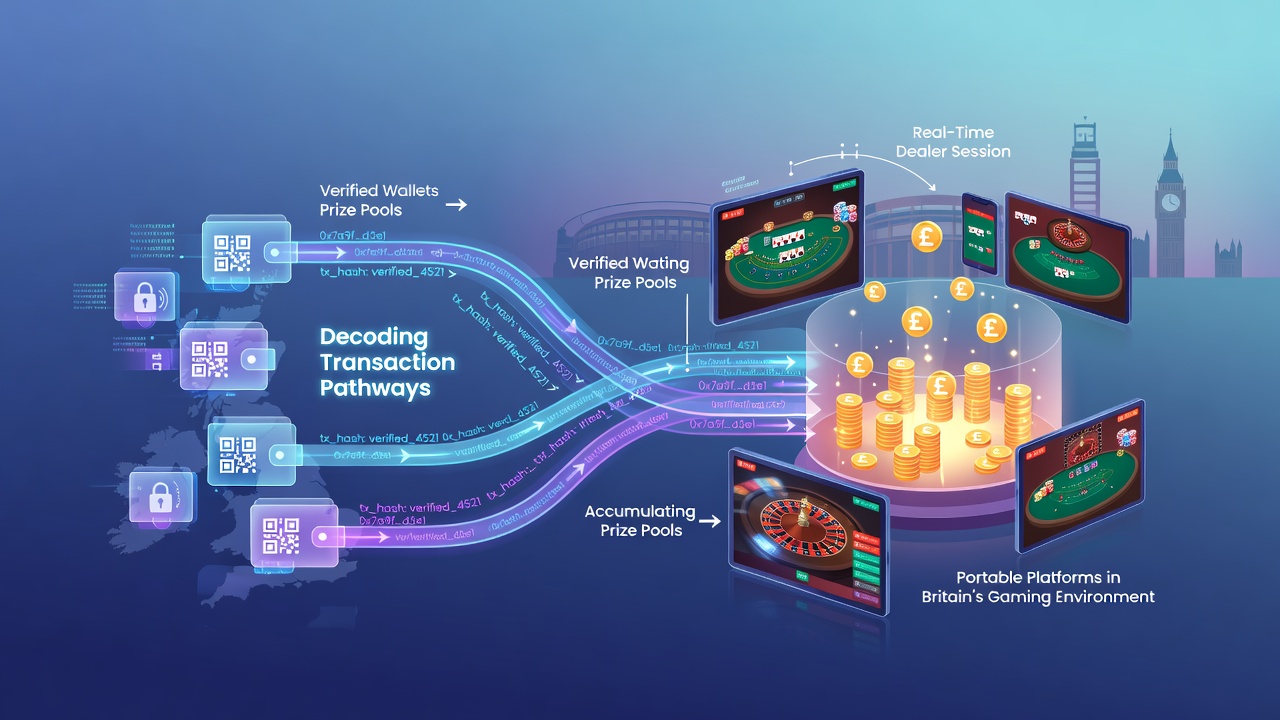
Decoding transaction pathways that link verified wallets to accumulating prize pools during real-time dealer sessions on portable platforms in Britain's gaming environment
Transaction pathways in Britain's mobile gaming sector connect verified digital wallets directly to prize pool accumulation during live dealer sessions, and these systems operate through encrypted channels that process deposits and payouts in real time on portable devices. Operators integrate wallet verification protocols with gaming servers so that funds move from player accounts into session-based pools without delays, while regulatory frameworks require each step to maintain audit trails.
Wallet Verification and Fund Routing Basics
Verified wallets begin the process when players complete identity checks that align with standards set by bodies such as the Malta Gaming Authority, after which the system flags accounts as eligible for live table participation. Funds then route through payment gateways that interface with operator backends, and this routing occurs across 4G and 5G networks common on smartphones and tablets used in Britain. Data from industry reports shows that verification typically completes in under two minutes when players submit standard documentation, allowing immediate access to accumulating prize pools once sessions start.
Real-Time Integration During Live Dealer Sessions
Live dealer sessions on portable platforms pull from prize pools that grow with each verified contribution, and the pathways rely on API connections between wallet providers and game servers to update balances instantly. Players place wagers through mobile interfaces that trigger immediate deductions from linked wallets, while wins feed back into the same pools or individual accounts depending on game rules. In September 2026 observers noted continued expansion of these integrations as more operators adopted enhanced encryption standards to handle higher volumes of mobile traffic during peak evening hours.
Technical Components of Portable Platform Pathways
Portable platforms use a combination of secure tokenization and session-specific ledgers to track every transaction, which prevents discrepancies between wallet records and prize pool totals. These ledgers update continuously while dealers manage tables in real time, and mobile operating systems on both iOS and Android devices support the required background processes without draining battery life excessively. Experts at the European Gaming and Betting Association have documented how such systems reduce reconciliation errors by more than 30 percent compared with earlier batch-processing methods.
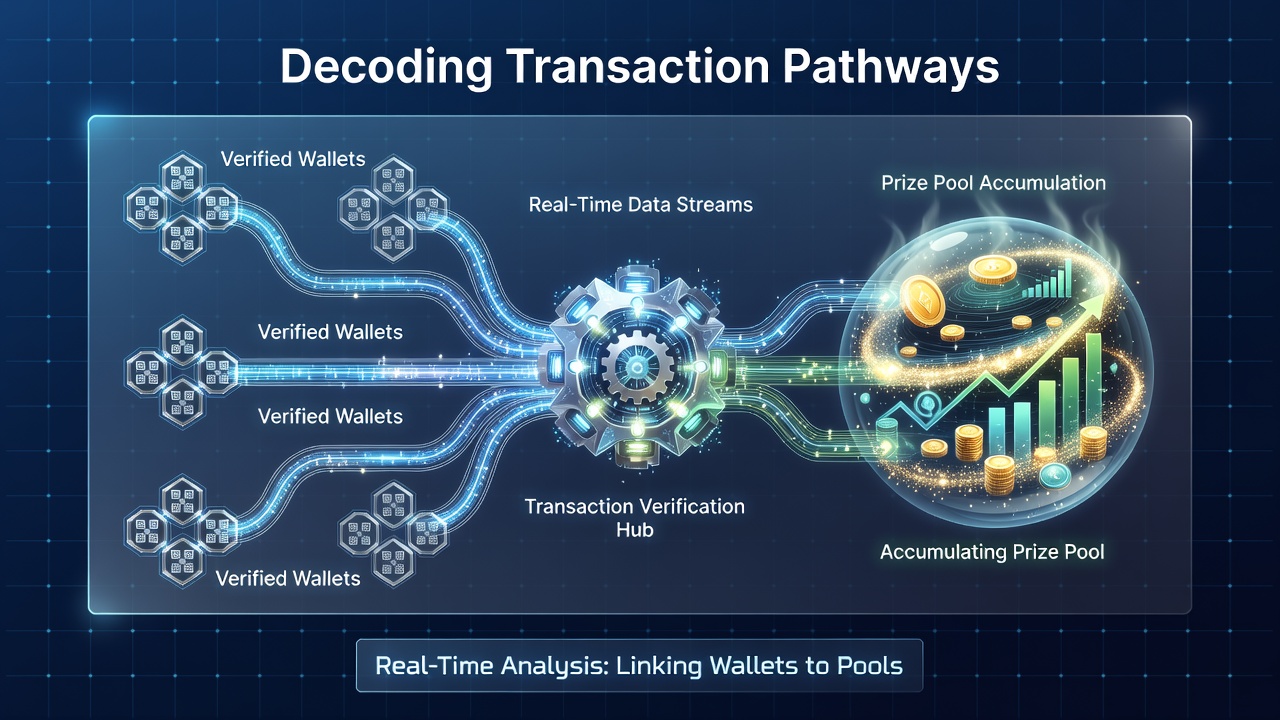
Payment service providers handle the actual movement of value, and they employ multi-factor authentication layers that activate each time a player joins or leaves a live session. When prize pools reach predetermined thresholds, automated distributions occur according to game algorithms, and the pathways ensure that both house and player shares settle within seconds of session closure.
Data Flow and Security Measures
Information travels from the mobile device through operator firewalls into centralized databases that log every wallet interaction, and these logs feed compliance reports required across European jurisdictions. Security protocols include end-to-end encryption plus behavioral analytics that flag unusual patterns before funds reach prize pools. Research published in the Journal of Gambling Studies indicates that real-time monitoring on portable platforms has lowered instances of disputed transactions in British markets by notable margins in recent years.
Operators also maintain separate ledgers for each live dealer table so that contributions from verified wallets accumulate accurately, and cross-checks occur at regular intervals to match pool totals against wallet outflows. This dual-ledger approach supports both player transparency and regulatory oversight without interrupting ongoing sessions.
Regional Context and September 2026 Developments
Britain's gaming environment continues to see growth in mobile live dealer traffic, and September 2026 brought further refinements to digital payment standards that affect how wallets interface with accumulating pools. Portable platforms now incorporate improved geolocation checks that confirm player location before any funds enter prize structures, which aligns with broader efforts to maintain market integrity. Figures from regional trade analyses reveal steady increases in session lengths on smartphones, correlating directly with smoother transaction pathways.
Conclusion
The pathways that link verified wallets to prize pools during real-time dealer sessions on portable platforms function through layered verification, continuous data exchange, and secure routing mechanisms that operate across Britain's mobile networks. These systems support accurate accumulation and distribution while meeting external reporting requirements from multiple authorities. As technology evolves, the core connections between wallets and live gaming remain focused on speed, traceability, and compliance.